When a boy is struggling with school, family relationships, motivation, and responsibility at the same time, parents can reach a point where the usual solutions no longer seem to be enough. You may have already worked with teachers, changed rules at home, limited technology, tried counseling, or given your son more chances to make better choices.
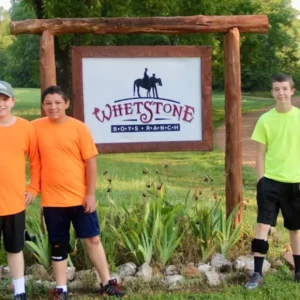
Whetstone Boys Ranch offers another option for families who believe their son needs more structure and more consistent support. Whetstone Boys Ranch is a Christian residential program in Mountain View, Missouri for boys ages 12 to 16. The program combines academics, counseling, mentorship, ranch responsibilities, outdoor activity, and family involvement within one daily routine.
For families in Arizona, the question is not simply whether there is a boarding school closer to home. The more important question is whether the environment matches what your son actually needs.
When Problems Go Beyond the Classroom
Poor grades are sometimes the main issue. In other families, school problems are only one sign of something larger.
A boy may be capable of doing the work but no longer willing to put in the effort. He may argue over basic expectations, spend most of his free time online, hide things from his parents, react badly to correction, or keep making the same poor choices even after serious conversations and consequences.
When several of those patterns are happening together, moving a student to another school may not be enough. Some families who first look at boarding schools in Arizona for troubled youth eventually realize they are looking for a setting where school, counseling, responsibility, and adult guidance are connected throughout the day. That is the kind of structure Whetstone is designed to provide.
What Life at Whetstone Actually Looks Like
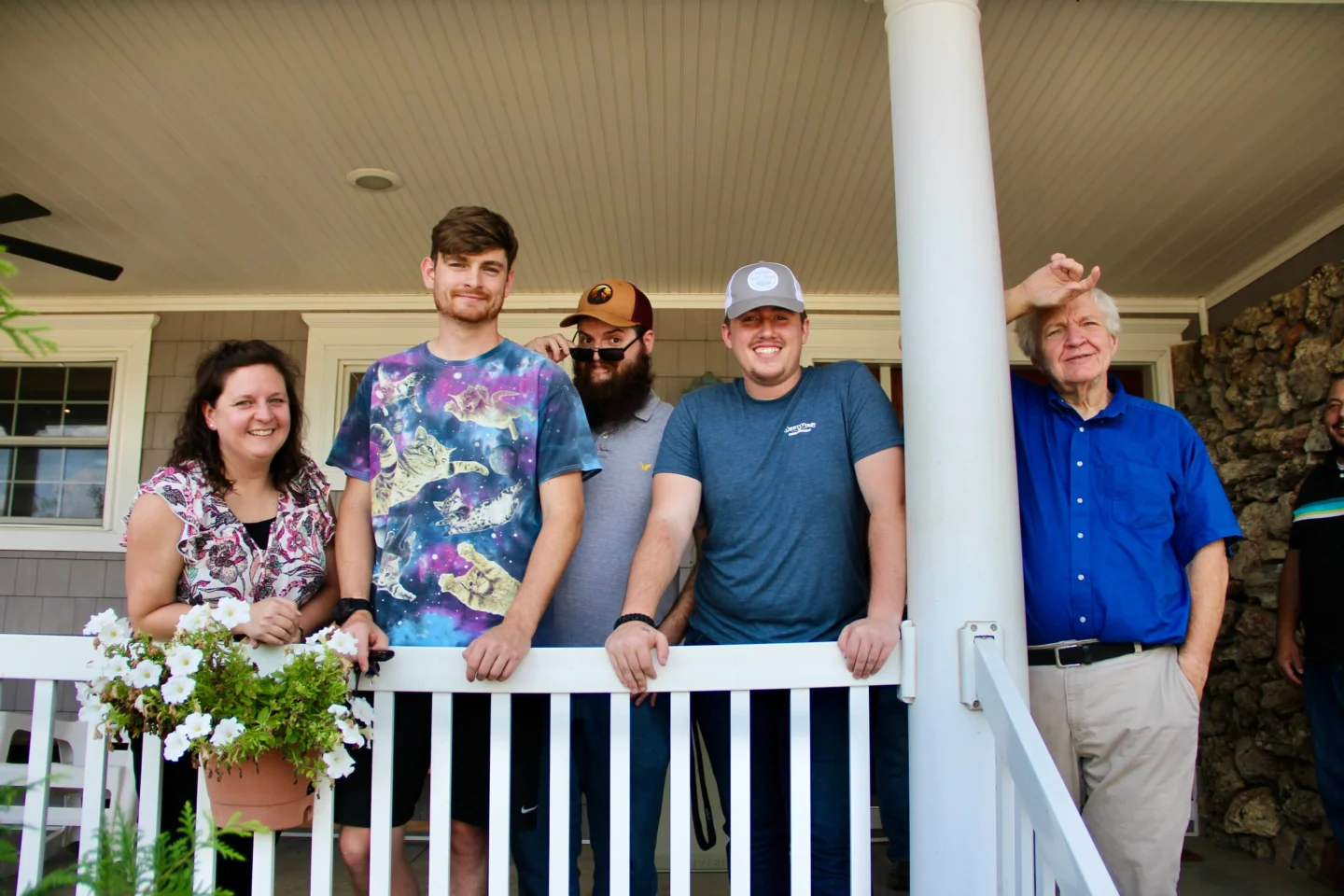
Boys at Whetstone continue school, meet with counselors, take part in ranch responsibilities, spend time outdoors, and live within a predictable routine. Staff members see how each boy handles work, correction, frustration, friendships, and everyday expectations.
That matters because change is easier to understand when adults can see the whole picture. A counselor may help a boy recognize why he becomes angry when corrected, while a teacher or staff member later has the opportunity to help him respond differently in a real situation.
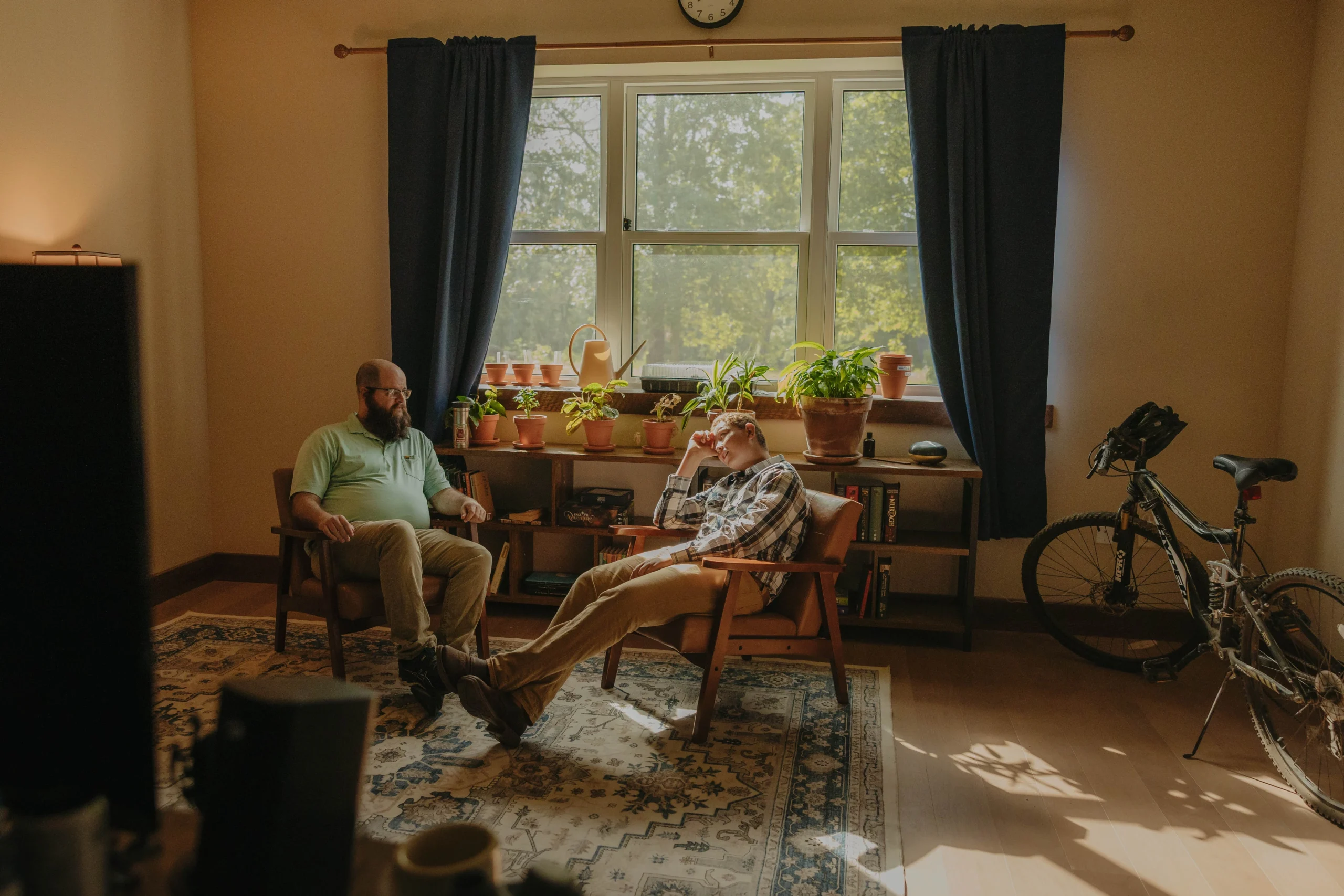
Therapy is part of the program, including individual and group work as well as family involvement. Whetstone’s approach to counseling and family support is intended to help boys work on communication, responsibility, and the relationships they will return to after the program.
School remains part of the daily routine as well. Whetstone uses an individualized, mastery-based academic model so students can address learning gaps while continuing to earn credit. The academic program is especially helpful for boys who need more personal attention or who have lost confidence in their ability to succeed in school.
Why Ranch Responsibilities Matter
Whetstone is located on a 285-acre ranch in the Ozark Mountain region of Missouri. Boys are given practical responsibilities that require effort, patience, and follow-through.
Depending on the day and the needs of the ranch, that may include caring for animals, helping with outdoor projects, gardening, cooking, maintenance, or community service.
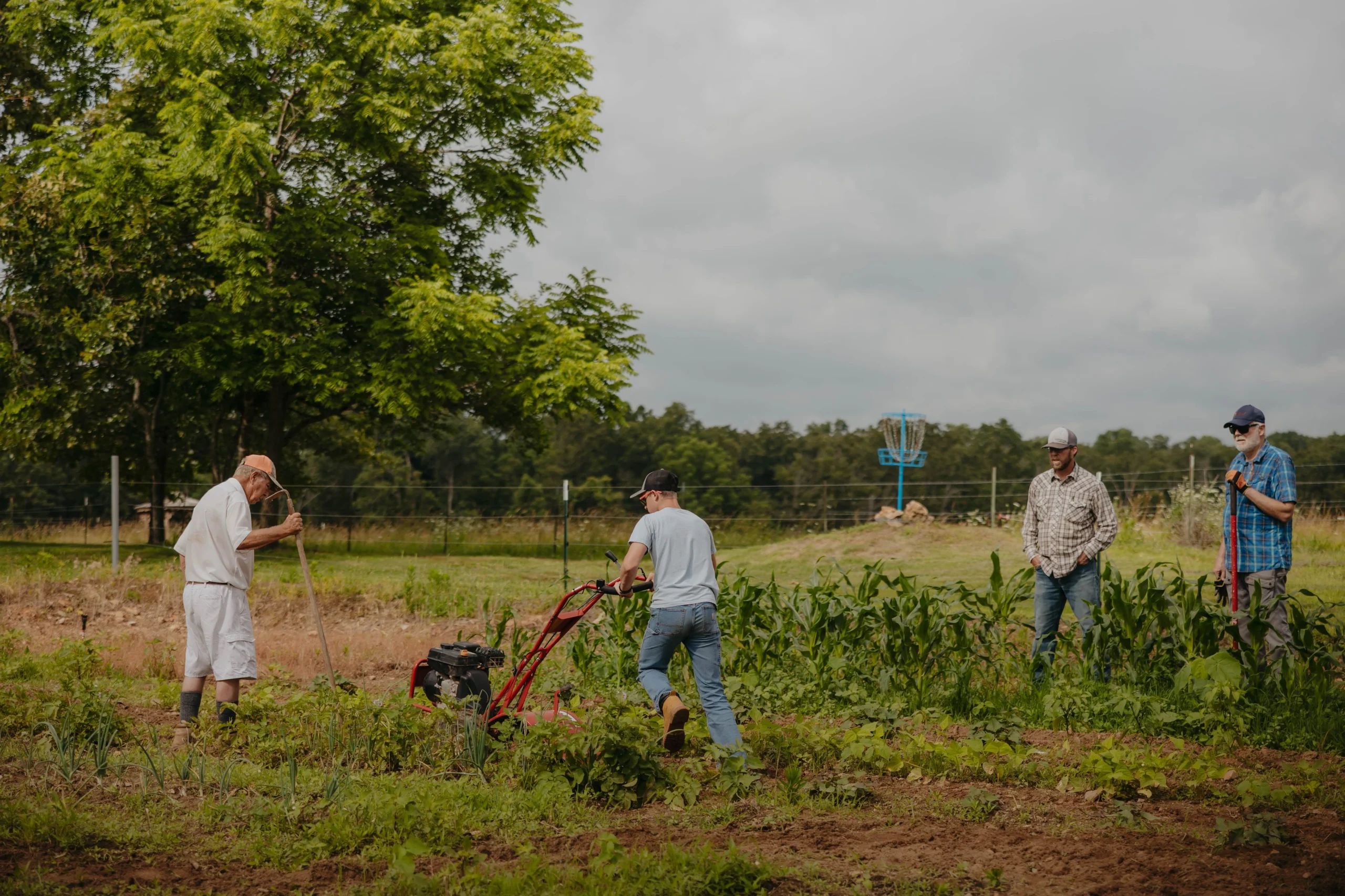
The value is not the chore itself. The value comes from learning that other people depend on you to show up and do your part.
For a teenager who has become used to avoiding uncomfortable tasks or giving up when something feels difficult, that kind of responsibility can be useful. Ranch work gives boys another place to practice the same qualities they are working on in school and counseling.
The broader Whetstone residential program uses work, education, relationships, faith, and outdoor activity together rather than treating each one as a separate part of the week.
Christian Mentorship and Close Adult Support
Whetstone’s Christian foundation influences the way boys are expected to treat other people and handle responsibility.
The program places strong emphasis on honesty, self-control, responsibility, kindness, loyalty, and perseverance. Those qualities are developed through ordinary situations, such as admitting a mistake, accepting correction, finishing a difficult job, or choosing to treat someone respectfully during conflict.
Whetstone also maintains a 3 to 1 boy-to-staff ratio. That gives staff more opportunity to know each boy personally and notice patterns that might be missed in a larger environment.
The goal is not to make a boy look compliant for a few months. The goal is to help him become more prepared to handle freedom, responsibility, and relationships when he returns home.
Staying Connected From Arizona
Sending a son from Arizona to Missouri is a serious decision, and distance should have a clear purpose.
For some boys, getting away from the same social circle, school tension, technology habits, or familiar conflicts can create room for a different routine. That change of environment does not solve problems by itself, but it can make it easier for a boy to focus on the work in front of him.
Parents are not expected to disappear from the process. Family communication, counseling, scheduled visits, and preparation for returning home remain important throughout the program.
Families from Phoenix, Tucson, Mesa, Chandler, Scottsdale, Gilbert, Glendale, and other Arizona communities can discuss travel and family involvement with admissions before deciding whether an out-of-state program is practical for them.
Is Whetstone the Right Kind of Program for Your Son?
Whetstone serves boys ages 12 to 16 whose families may be dealing with ongoing conflict, anger, poor school performance, unhealthy technology habits, lack of motivation, poor judgment, difficulty accepting authority, or a growing need for structure and accountability.
Not every boy is a fit.
Admissions reviews each situation because Whetstone has clear limits on the behaviors and needs it is equipped to manage safely. That review helps protect the family considering enrollment as well as the boys already living on the ranch.
Parents should also understand that Whetstone is not a military school or boot camp. The program has rules and consequences, but the daily approach is built around relationships, counseling, academics, Christian mentorship, work, and consistent adult involvement.
Families who want to understand those expectations can review Whetstone’s safety and supervision practices before speaking with admissions.
What Families Have Valued About Whetstone
Families often want to hear from people who have already made the difficult decision to place a son in residential care.
One Whetstone graduate described arriving angry and disrespectful and later said that he learned greater self-control and “got my life back.”
Caleb’s mother explained that her son needed an environment where familiar temptations were no longer constantly available. She also valued the opportunities he had to explore new interests, challenge himself, and find purpose.
Other parents have described how important it was for their sons to be personally known, held accountable, challenged, and cared for throughout their stay. More stories from Whetstone families can help parents understand what the experience has looked like for others.
Talk With the Admissions Team
If your son is struggling in several areas of life and the support you have already tried is no longer producing enough change, the next step can simply be a conversation.
The Whetstone admissions team can listen to what has been happening, answer questions about the program, and help you decide whether Whetstone is an option worth considering for your family.