When problems with your son begin affecting school, home life, friendships, and the way he responds to everyday expectations, it becomes difficult to believe that one small change will solve everything. You may have already adjusted rules at home, met with teachers, limited technology, tried counseling, or given him more chances to turn things around. Sometimes those efforts help. Sometimes the family keeps ending up in the same place.
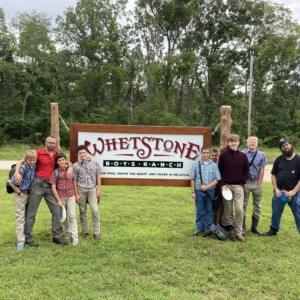
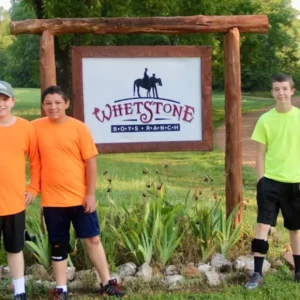
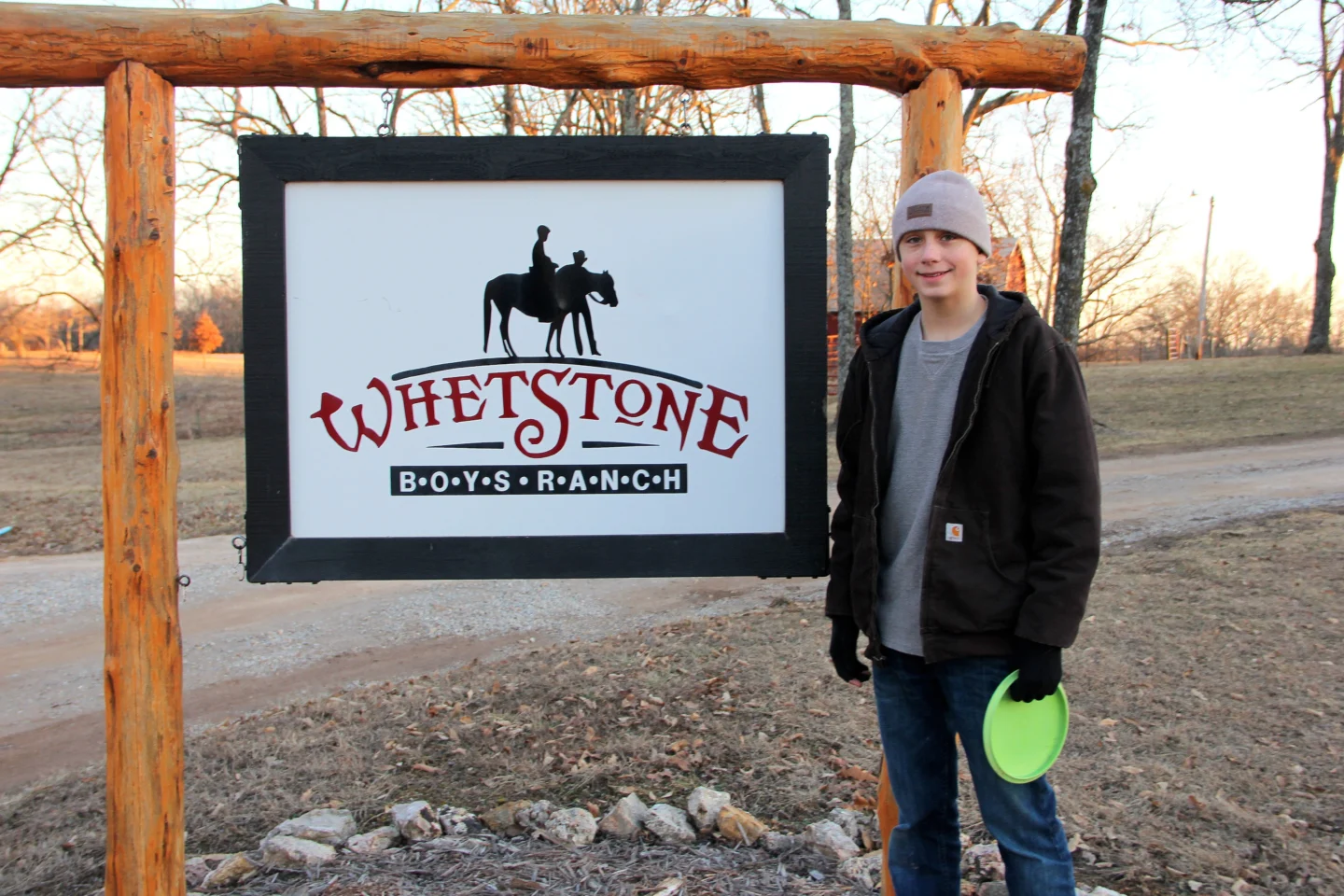
Whetstone Boys Ranch gives families another option to consider. Located in Mountain View, Missouri, Whetstone is a Christian, farm-based residential program for boys ages 12 to 16. Boys continue school while receiving counseling, close adult guidance, meaningful work, outdoor activity, and opportunities to rebuild habits and relationships that have become strained.
For a Wisconsin family, choosing a program outside the state is a significant decision. The purpose of this page is not to suggest that every struggling boy needs residential care. It is to help parents understand what Whetstone actually offers and whether that kind of environment may fit what their son needs.
When the Problem Is Bigger Than School
A traditional boarding school can be a good choice for a student who mainly needs a different academic environment, smaller classes, or a particular educational experience. The situation becomes more complicated when grades are only one part of the concern.
Your son may be capable of doing well in school but no longer willing to put in consistent effort. He may react strongly to correction, ignore reasonable rules, spend most of his free time online, hide things from you, or withdraw from family life. Consequences may work briefly, only for the same problems to return a few days later.
This is often why parents considering programs with more structure and support. They are no longer trying to solve one academic issue. They are looking for an environment where school, counseling, responsibility, relationships, and daily expectations can work together.
Whetstone Boys Ranch is designed for boys who may benefit from that kind of consistency. Residential placement is still a serious step, so the first question should always be whether the program matches the boy.
How Whetstone Uses the Full Day
Whetstone’s program is built around the idea that growth happens through repeated experience. Boys do not spend an hour talking about responsibility and then return to a completely unrelated routine. The same lessons continue through school, counseling, ranch work, recreation, meals, and relationships with staff and other boys.
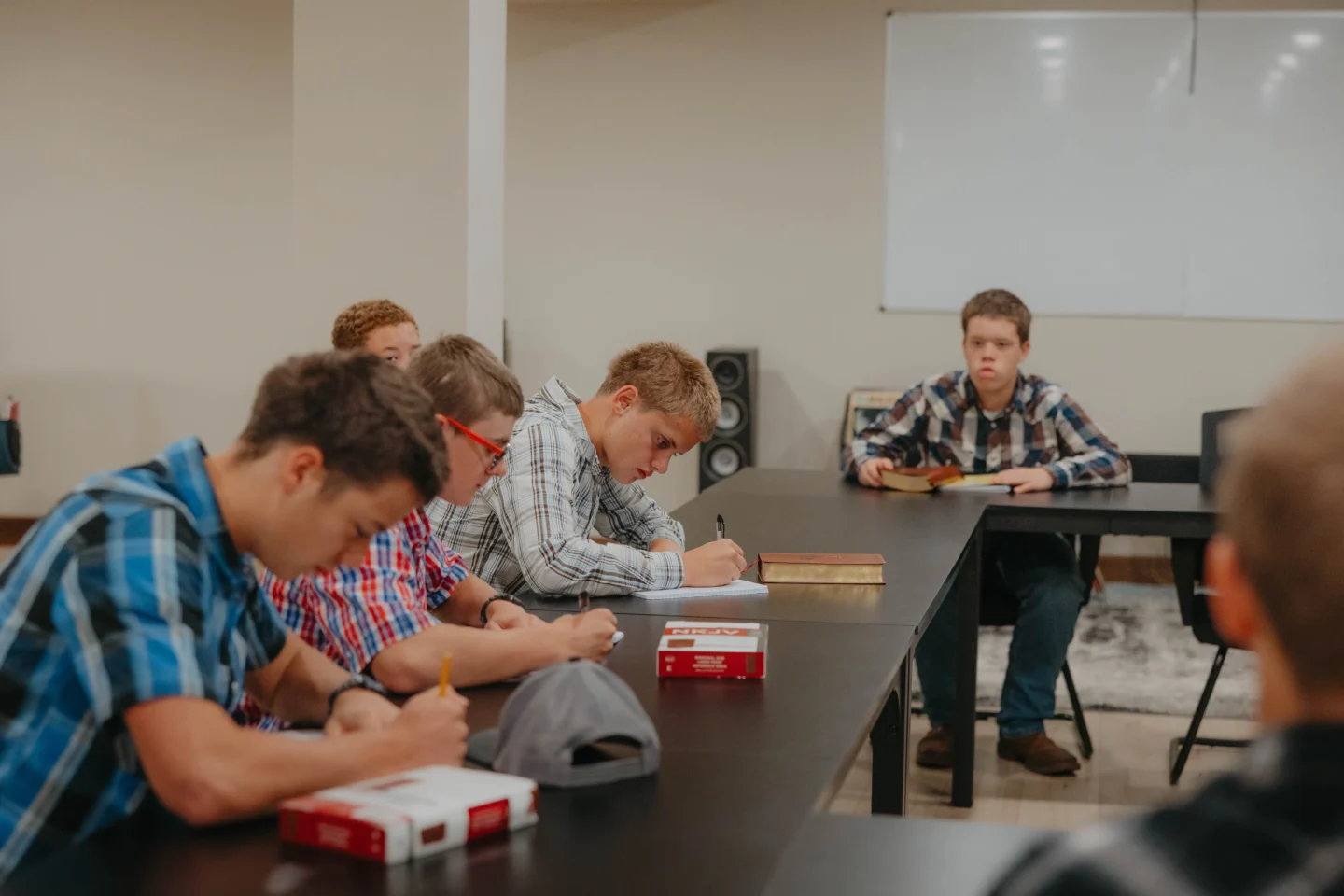
Therapy is part of that daily experience. Licensed mental health professionals provide individual and group counseling, while family work keeps parents connected to what their son is learning. A boy may begin to understand why he responds badly to correction during a counseling session, then have another opportunity to respond differently when a teacher or staff member corrects him later in the day. Whetstone explains more about how therapy and family involvement fit into the program for parents who want to understand that part of residential life.
School continues as well. State-certified teachers use an individualized, mastery-based approach that allows students to work through academic gaps rather than simply moving ahead because the calendar says they should. Some boys arrive behind in school. Others understand the material but have stopped putting in the effort needed to succeed. Whetstone’s academic program gives teachers more opportunity to see where a student is struggling and help him rebuild productive school habits while earning credit.
These parts of the program are connected intentionally. The goal is for a boy to practice the same qualities across different parts of his day rather than behaving one way in counseling and another everywhere else.
Why Relationships Matter as Much as Rules
Structure becomes more useful when the adults providing it know the boy well enough to understand how he reacts when things do not go his way.
Whetstone maintains a 3 to 1 boy-to-staff ratio. That gives staff more opportunity to see how a boy handles disappointment, frustration, correction, conflict, work, and responsibility throughout the week. Those ordinary moments often reveal more about what needs to change than a scheduled conversation alone.
The Christian foundation of the program also shows up in these daily relationships. Whetstone emphasizes honesty, self-control, responsibility, kindness, loyalty, and perseverance. Boys have real opportunities to practice those traits while working with others, dealing with mistakes, and learning that their choices affect people around them.
The goal is not to produce perfect behavior on the ranch. It is to help a boy become more capable of handling freedom, relationships, and responsibility when he eventually returns home.
What the Ranch Adds to the Program
Whetstone sits on 285 acres in the Ozark Mountain region of Missouri. The ranch setting gives boys room to be active while creating practical responsibilities that are difficult to reproduce in a classroom or counseling office.
An animal still needs care when someone is tired or unmotivated. A shared project depends on each person doing his part. Outdoor work requires patience, attention, and a willingness to finish what was started.
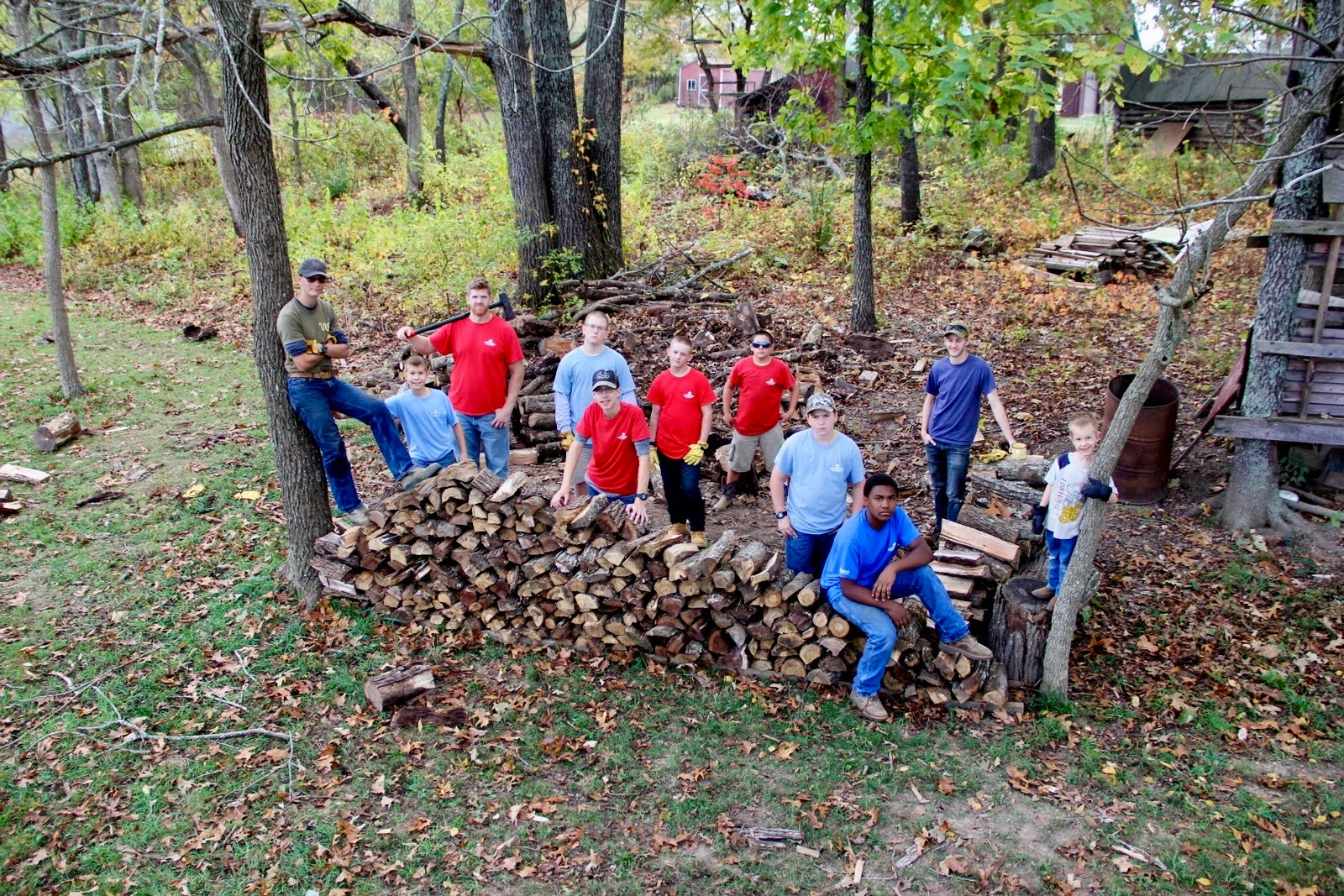
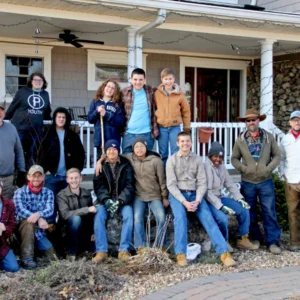
For a boy whose routine has become centered on screens, arguments, avoidance, or inactivity, that change can create a very different rhythm. Ranch work is not a replacement for therapy or education. It is part of the broader Whetstone residential program and gives boys another setting where responsibility has a visible result.
For some families, a boys ranch or therapeutic boarding school offers a different approach to learning, where outdoor activities and daily responsibilities help boys develop practical skills, build confidence, and grow through real-life experiences.
Why a Wisconsin Family Might Consider Missouri
Many Wisconsin parents understandably begin by looking for help close to home. Staying nearby can make travel easier, and an in-state program may be the right decision for some families.
Other boys benefit from some distance from the environment in which their problems have developed. The same friendships, school tensions, technology habits, and familiar arguments can make it difficult to establish a different routine. A new environment cannot solve those issues by itself, but it can give a boy room to work on them without every old influence remaining within easy reach.
Distance only makes sense if parents remain part of the process. Whetstone places a strong emphasis on reconciliation with family, so communication, family-focused work, visits, and preparation for returning home remain part of the larger program.
Families from Milwaukee, Madison, Green Bay, the Fox Valley, Eau Claire, and communities throughout Wisconsin can discuss travel and family involvement with admissions before deciding whether Missouri is practical for them.
Questions Worth Asking Any Residential Program
The language used by residential programs can be confusing. A boarding school, therapeutic school, boys ranch, group home, and residential treatment setting may serve very different students even when their websites use similar terms.
Rather than choosing a program based mainly on its label, parents should ask questions that reveal what daily life will actually look like:
- Who is the program designed to serve, and who would not be a good fit?
- How much direct contact will my son have with trained adults each day?
- Who provides counseling, and how often will he meet with them?
- How will schoolwork and academic credit be handled?
- How will our family remain involved while he is enrolled?
- What happens when a boy refuses a rule, becomes angry, or wants to leave?
- How will the program help us prepare for his return home?
Safety deserves the same level of attention. Whetstone outlines its safety, staff training, supervision, and family communication practices so parents can understand how those responsibilities are handled before deciding whether to pursue enrollment.
Whetstone is also not a military school or boot camp. Rules, work, accountability, and consequences are part of daily life, but the program is built around relationships, counseling, education, Christian mentorship, and consistent adult involvement rather than military-style discipline.
Who Whetstone Is Designed to Help
Whetstone serves boys ages 12 to 16 whose struggles may include ongoing anger, conflict at home, falling grades, poor motivation, unhealthy technology habits, difficulty accepting authority, poor decisions, or relationships that are moving in an unhealthy direction.
The program has served boys and families since 2011, but admission is not automatic. Whetstone reviews each situation because the ranch must be an appropriate and safe fit for the boy as well as his family.
The minimum program length is six months, and many families plan for six to twelve months. That can feel like a significant commitment when parents first begin considering residential help. Whetstone’s approach reflects the reality that habits, trust, and family relationships that developed over months or years usually need more than a short stay to improve.
What Families Have Said About Whetstone
Parents often learn something important from families who have already made this decision.
One graduate described arriving at Whetstone angry and disrespectful. Looking back on his experience, he said he learned greater self-control and “got my life back.”
Another mother explained that her son needed an environment where familiar temptations were no longer constantly available. She also valued the chance for him to discover new interests, challenge himself, and find purpose.
Other parents have described the importance of their sons being personally known, held accountable, challenged, and supported rather than simply managed. Those experiences, along with other stories shared by Whetstone families, can help parents understand the program from the perspective of people who have lived through the decision themselves.
Start With a Conversation
Choosing residential help for your son is a serious decision, and you should not have to make it based only on search results or a website.
If the support your family and local school have already tried is no longer enough, a conversation with the Whetstone admissions team can help you explain what has been happening, ask specific questions about the program, and determine whether Whetstone deserves further consideration for your family.