Your son may be having trouble at school while things at home are becoming harder to manage. You are seeing that your son’s homework goes unfinished, he starts arguments over simple requests, or he spends more time on his phone than with the family. You may have spoken with his teachers, arranged counseling, and tried setting clearer boundaries without seeing much improvement.
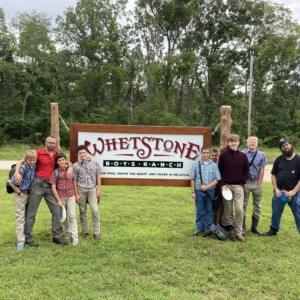
Whetstone Boys Ranch offers Michigan families another option to consider. Located in Mountain View, Missouri, our Christian residential school serves boys ages 12-16 through academics, individual counseling, ranch activities, and close staff mentorship.
Michigan has boarding school options, but Whetstone offers something different for families whose sons need help with behavior, schoolwork, and relationships at home. Although the ranch is located in Missouri, its combination of counseling, academics, Christian mentorship, and daily responsibilities may be a good fit for your son.
If you have questions about your son’s situation, call us at (417) 505-2869 or speak with our admissions team.
When Michigan Families Begin Considering Residential Help
Problems with a teenager’s behavior can develop gradually. A boy who once accepted household rules may begin arguing about every request. His grades may fall because he stops completing assignments, or he may withdraw from activities he used to enjoy.
Some parents find themselves having the same conversation with their son week after week. They have tried consequences, additional help at school, or outside counseling, yet he continues to struggle with honesty, self-control, or taking responsibility for his decisions.
A school for troubled teens may become an option when parents believe their son needs more consistent attention than they can arrange through separate services while he continues living at home.
Before choosing residential care, it helps to understand how a program works with boys day after day. The adults, school environment, expectations, and family involvement should all be considered carefully.
What a Boy Experiences at Whetstone Boys Ranch
Life at Whetstone has a regular schedule that includes classes, counseling, ranch work, outdoor activities, and time with staff and other students.
Boys are expected to take care of their personal responsibilities and participate in the work of the ranch community. The schedule provides structure, but staff also pay attention to how students manage difficult moments.
When a boy disagrees with an instruction or does not finish something he has been assigned, the situation can be addressed while it is happening. He has a chance to respond differently and is held to the expectations of the program.
Whetstone uses a three-level system tied to character traits, responsibilities, and privileges. Students begin with honesty and self-control, then work toward greater responsibility, kindness, loyalty, and perseverance.
Counseling That Includes the Family
Each boy participates in weekly individual counseling with a personal therapist. The sessions give him time to discuss what has been happening in his life, including difficulties with relationships, emotions, or decisions.
Therapists work with students on individual goals. A boy who reacts angrily when corrected, for example, may need help recognizing his response and finding a different way to handle frustration.
Parents are involved through Whetstone’s counseling and family support program. Families have communication with staff, scheduled contact with their sons, and opportunities for family counseling and visits.
This involvement allows parents and staff to discuss concerns as they arise and work on relationships that will continue after the boy returns home.
Academics With Individual Attention
Some boys arrive at Whetstone having missed important parts of their coursework. Others understand the material but have developed habits that make completing assignments difficult.
Whetstone’s academic program for boys who need additional support identifies learning gaps before students move into material they are not ready to handle. Teachers can provide individual assistance, including limited one-on-one tutoring when appropriate.
Boys continue working toward academic credit while attending Whetstone. Parents planning for a return to a Michigan school should discuss their son’s existing records and confirm future credit requirements with the receiving school.
Christian Mentorship Throughout the Day
Faith is part of Whetstone’s approach to education and residential life. Biblical teaching, prayer, and conversations with staff encourage boys to think about the choices they make and the way they treat others.
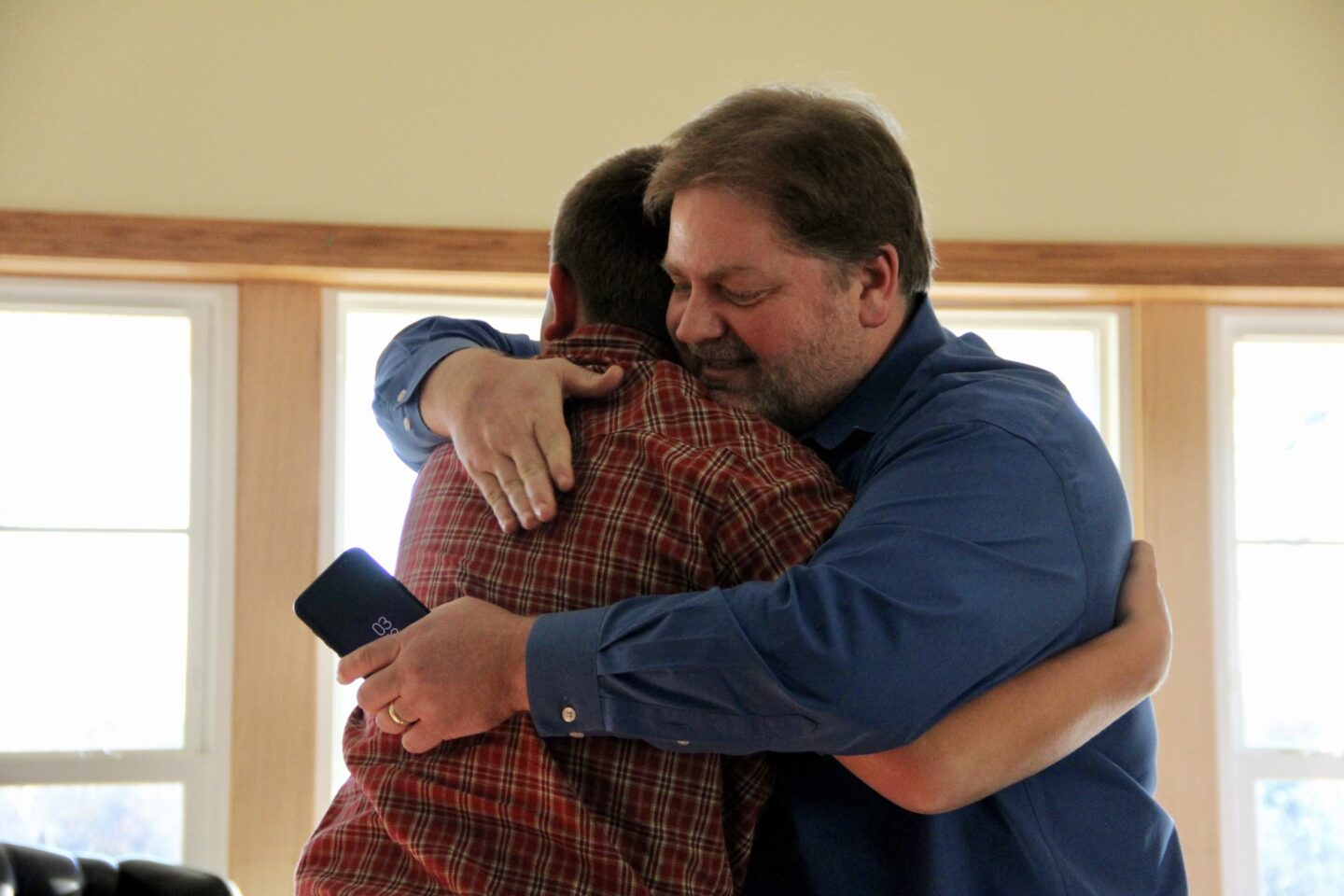
Staff members also spend time with students outside scheduled lessons. A conversation during a meal or a job on the ranch may give a boy an opportunity to talk about something he would not otherwise bring up.
Whetstone’s Christian mission is closely tied to relationships between boys and the adults responsible for their care. The program asks students to practice the character traits they discuss rather than treating faith as something separate from their conduct.
Why the Ranch Environment Matters
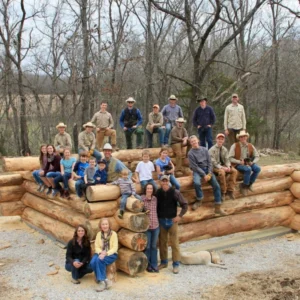
Whetstone sits on a 285-acre property in Missouri’s Ozark Mountains. The ranch offers room for outdoor work, supervised recreation, and activities that involve more than sitting in a classroom.
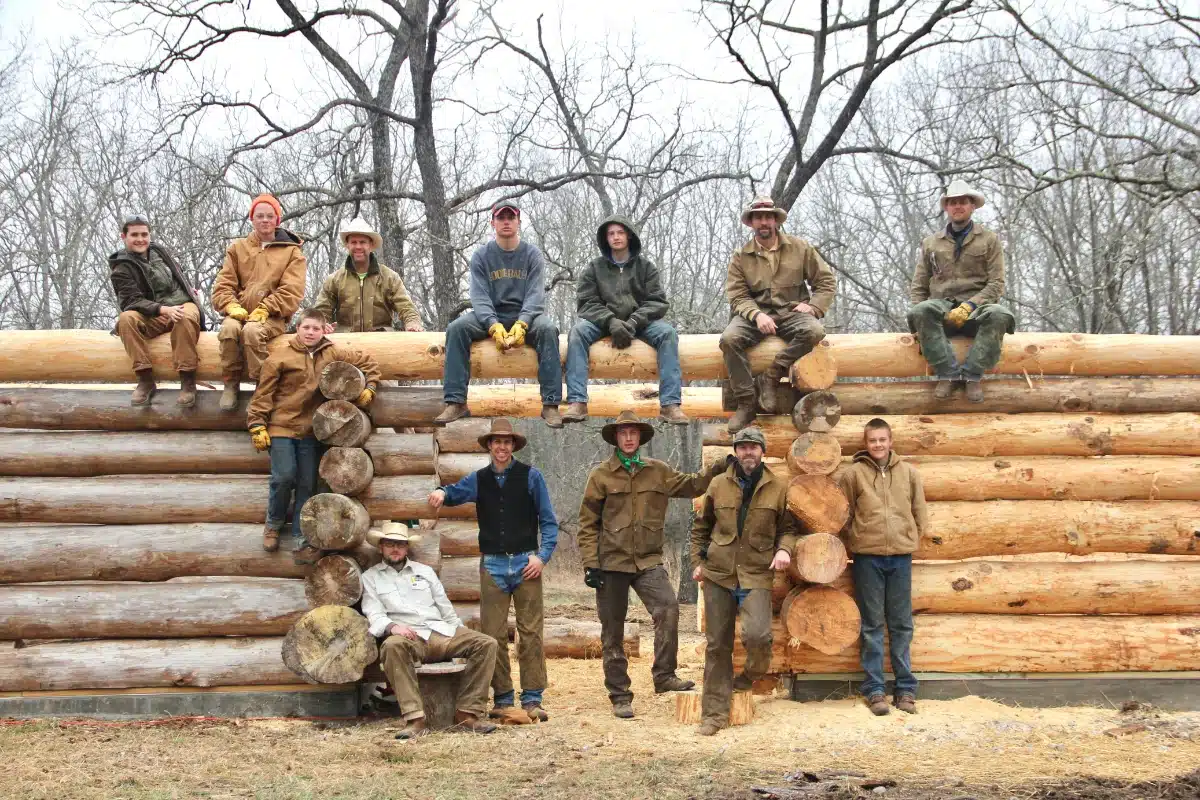
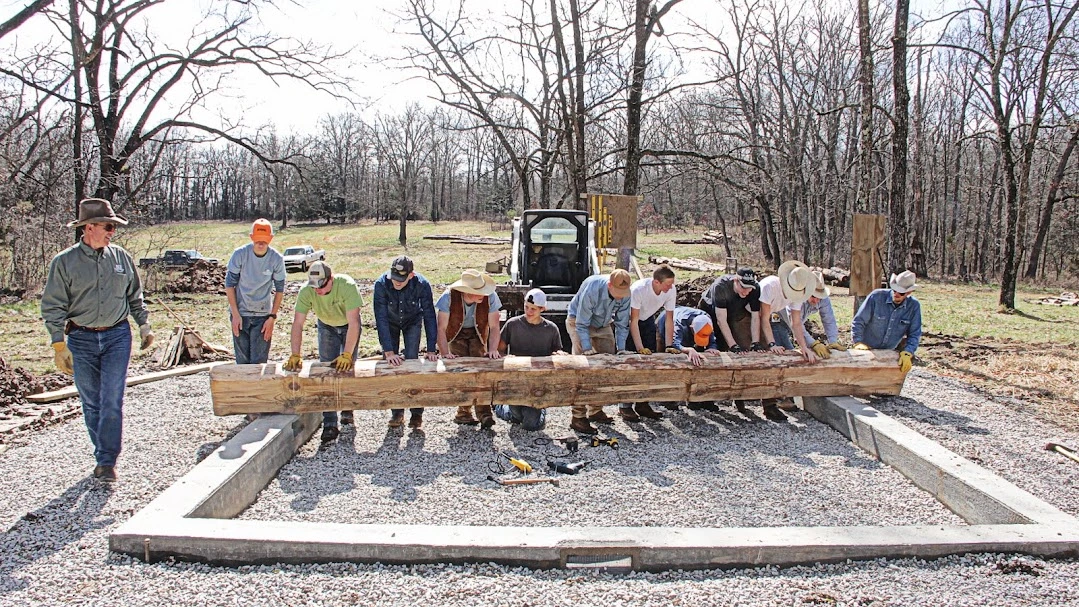
Boys may help care for animals, work in the garden, prepare meals, maintain the property, or take part in building and repair projects. These jobs require them to follow instructions and contribute to something other people depend on.
A boy helping with animal care cannot simply decide that the work no longer matters because he feels tired or distracted. He must learn to consider the needs of the animal and the people sharing the responsibility.
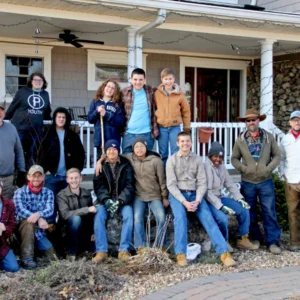
Whetstone’s ranch work and community service activities also give boys practical experience in cooperation and completing assignments. Depending on the activity, they may work alongside staff, other students, or members of the community.
Outdoor experiences form another part of the program. Whetstone offers activities such as hiking, camping, and outdoor skills instruction, including an Adventure Week during a boy’s enrollment.
The ranch gives boys a place to put what they are learning into practice through work, recreation, and shared responsibilities.
Why Michigan Families Look Beyond Local Boarding Schools
Michigan families may have several educational or residential options closer to home. For some boys, those options will be appropriate. Other families may need to consider programs that offer a different living environment or level of daily adult involvement.
Parents comparing Michigan boarding schools should ask what happens after classes end. A boy who can behave appropriately during a counseling appointment may still struggle with arguments at dinner, school assignments, or requests to help around the house.
At Whetstone, staff spend time with students in those everyday settings. The ranch maintains a 3:1 boy-to-staff ratio, which supports close supervision and gives adults opportunities to know the boys personally.
The change of location can also be significant. A boy who has become deeply involved with an unhealthy peer group or spends much of his time gaming may benefit from living in an environment with different routines and expectations.
Moving to Missouri does not automatically change those habits. Whetstone’s work depends on the boy’s participation, the relationships he develops with staff, and the continued involvement of his family.
These differences are worth discussing with Whetstone’s admissions team, especially if the schools closer to home haven’t met your son’s needs.
How Whetstone Differs From a Traditional Boarding School
Traditional boarding schools generally place academics and campus life at the center of the student’s experience. They may be suitable for boys whose main needs are educational.
Whetstone works with families dealing with difficulties that also affect home life, relationships, and behavior. School remains part of the day, but the residential program includes counseling, ongoing supervision, family participation, and expectations beyond the classroom.
Whetstone is also not a military school or boot camp. Staff use clear boundaries, reasonable consequences, and encouragement rather than military-style training. The ranch maintains a hands-off policy and does not use physical restraint to force compliance, apart from its documented emergency safety exception.
Parents can review Whetstone’s resident safety and supervision practices to understand its staffing, boundaries, and approach to behavior.
What Parents Should Know Before Enrolling
Whetstone has worked with boys and their families since 2011. The program generally requires a minimum stay of six months, and families are encouraged to plan for approximately six to twelve months.
Time at the ranch allows students to progress through the program’s levels, continue their education, and participate in family work. The length of a boy’s stay depends on his circumstances and progress.
Admissions considers each applicant individually. Whetstone does not accept every boy, particularly when his needs or behavior require services beyond what the program can safely provide.
Parents should be prepared to explain what their son has been struggling with, what support they have tried, and any history the admissions team needs to evaluate his suitability.
Serving Families Across Michigan
Whetstone welcomes inquiries from families throughout Michigan, including Detroit, Grand Rapids, Ann Arbor, Lansing, Flint, Kalamazoo, and smaller communities across the state.
For families traveling to Missouri, it helps to discuss enrollment arrangements and participation requirements before making plans. The admissions team can explain what parents should expect when bringing their son to the ranch and what involvement is required during his stay.
Your Michigan location does not change Whetstone’s admission standards. The deciding factor is whether the program is appropriate for your son and whether your family can take part in the process.
What Whetstone Families Have Shared
Families considering residential care often want to hear from parents who have already faced a difficult enrollment decision.
One mother shared how her son struggled with anger, dishonesty, and pulling away from the family. She said Whetstone gave him a fresh start, new interests, and support from caring adults.
A former student, Nathaniel, shared how he learned to control his anger and show more respect toward his parents.
Every boy’s experience is different, but these stories show what Whetstone has meant to some families.
Other parent and graduate accounts may help Michigan families prepare questions before speaking with admissions.
Talk With Our Admissions Team
If you are considering residential care for your son, we welcome a conversation about what has been happening and whether Whetstone may be a suitable option.
You can ask about our daily program, the admissions review, and the commitments involved in sending your son from Michigan to Missouri. We will explain what Whetstone can provide and help you understand the next step.
Call (417) 505-2869 or contact Whetstone’s admissions team.