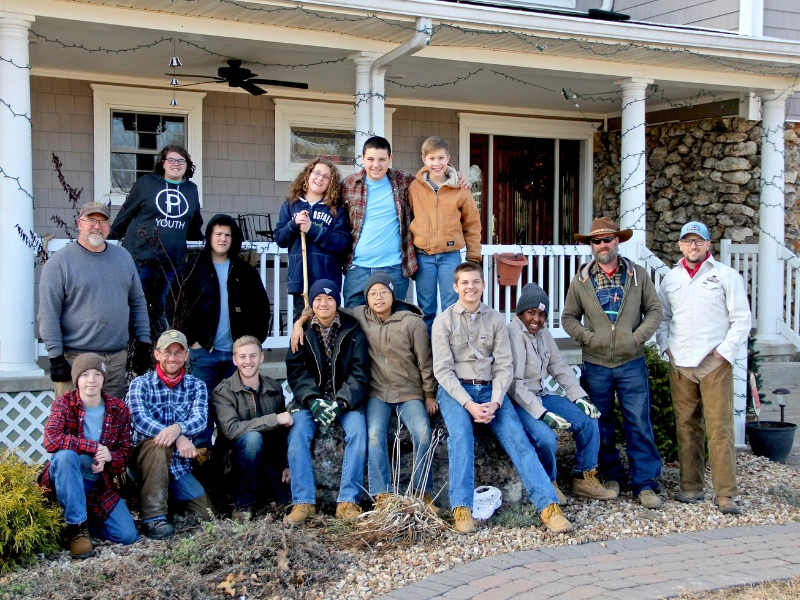
When problems with your son begin affecting school, relationships at home, and the choices he makes every day, it can be difficult to know what needs to change first. You may have already talked with teachers, tried counseling, set new rules, limited technology, or adjusted consequences at home. Those steps can help, but some families reach a point where several problems are happening together and the support available at home is no longer creating enough change.
Whetstone Boys Ranch is a Christian residential program in Mountain View, Missouri for boys ages 12 to 16. Whetstone serves families from Oklahoma and other states by combining academics, licensed counseling, Christian mentorship, ranch responsibilities, outdoor activity, and close adult involvement within one structured environment. For parents considering residential help, the important question is not simply how close a program is to home. It is whether the setting matches what their son actually needs.
When a School Change Is Not the Whole Answer
A different school can make a real difference when academics are the main concern. Some boys need smaller classes, more individual attention, or a fresh start with their education. The situation becomes more complicated when school problems are connected to what is happening at home and in other parts of life.
A boy may be capable of doing the work but refuse to complete it. He may react strongly when corrected, argue over ordinary expectations, make the same poor choices after repeated consequences, or become increasingly disconnected from his family. In those situations, parents may realize that another school placement alone is unlikely to address everything that is going on.
A residential program gives adults more opportunity to see the full picture. Instead of working with a boy only during one class period or one counseling appointment, staff can see how he handles school, work, frustration, relationships, responsibility, and correction throughout the week. That consistency is one of the main reasons families begin considering a more structured setting.
What Daily Life at Whetstone Looks Like
Life at Whetstone includes school, counseling, ranch work, recreation, Christian mentorship, and time with staff and other boys. These parts of the day are connected rather than treated as separate services.
Licensed counselors provide individual and group therapy, while family involvement remains part of the process. A boy may begin to understand in counseling why he reacts badly to correction or avoids responsibility, then have another opportunity later in the day to handle a similar situation differently. Whetstone’s approach to therapy and family support keeps attention on the relationships and habits a boy will need when he eventually returns home.
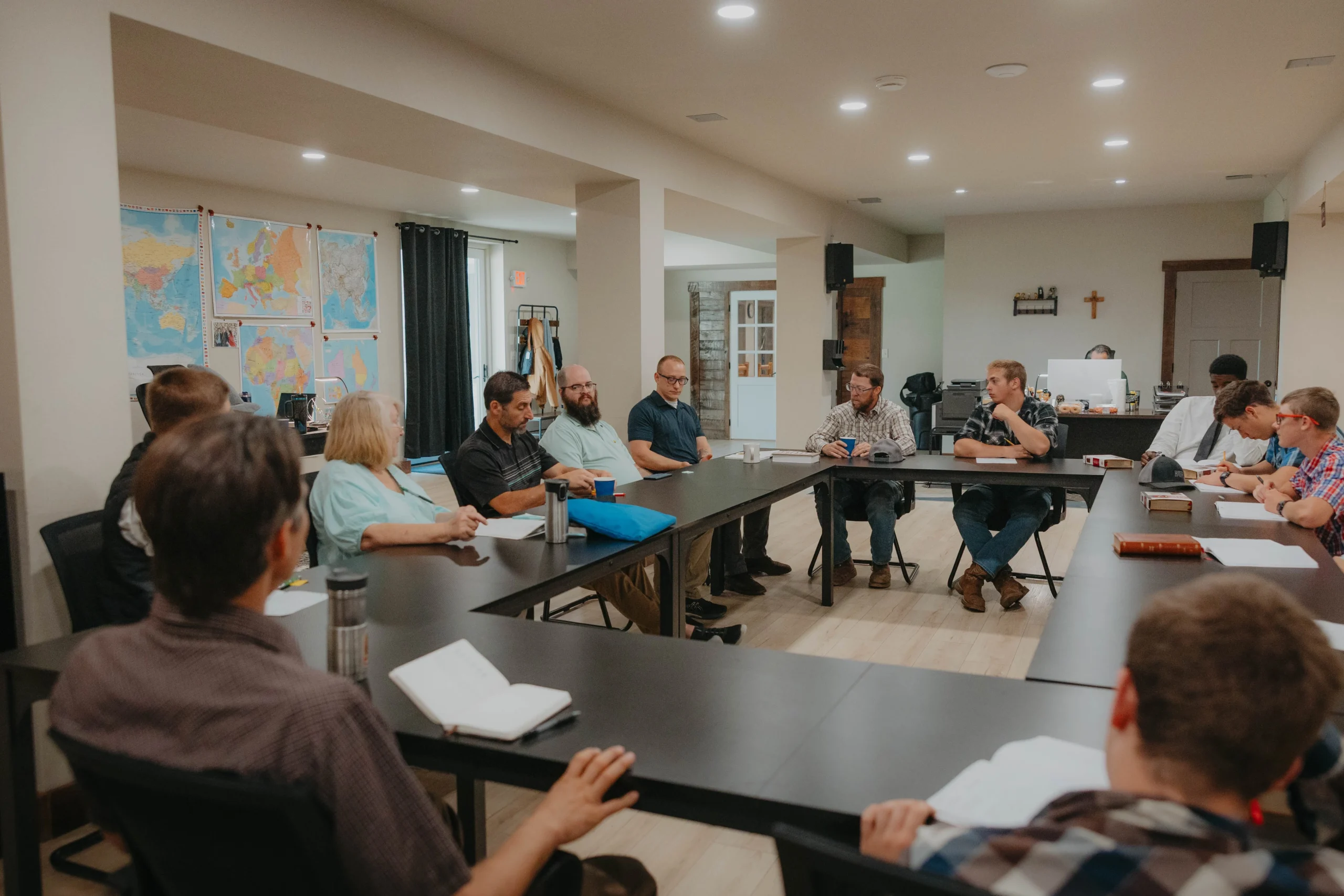
Academics continue during enrollment as well. State-certified teachers use an individualized, mastery-based approach so boys can work through learning gaps instead of being moved ahead before they are ready. Some students need help catching up, while others need to rebuild the discipline to complete work they are fully capable of doing. The academic program at Whetstone allows school progress to continue while boys work on the larger issues affecting their daily lives.
Whetstone also maintains a 3 to 1 boy-to-staff ratio. That gives staff more opportunity to know each boy personally, notice patterns in his behavior, and respond while situations are still fresh rather than relying only on scheduled meetings.
Why Ranch Work Is Part of the Program
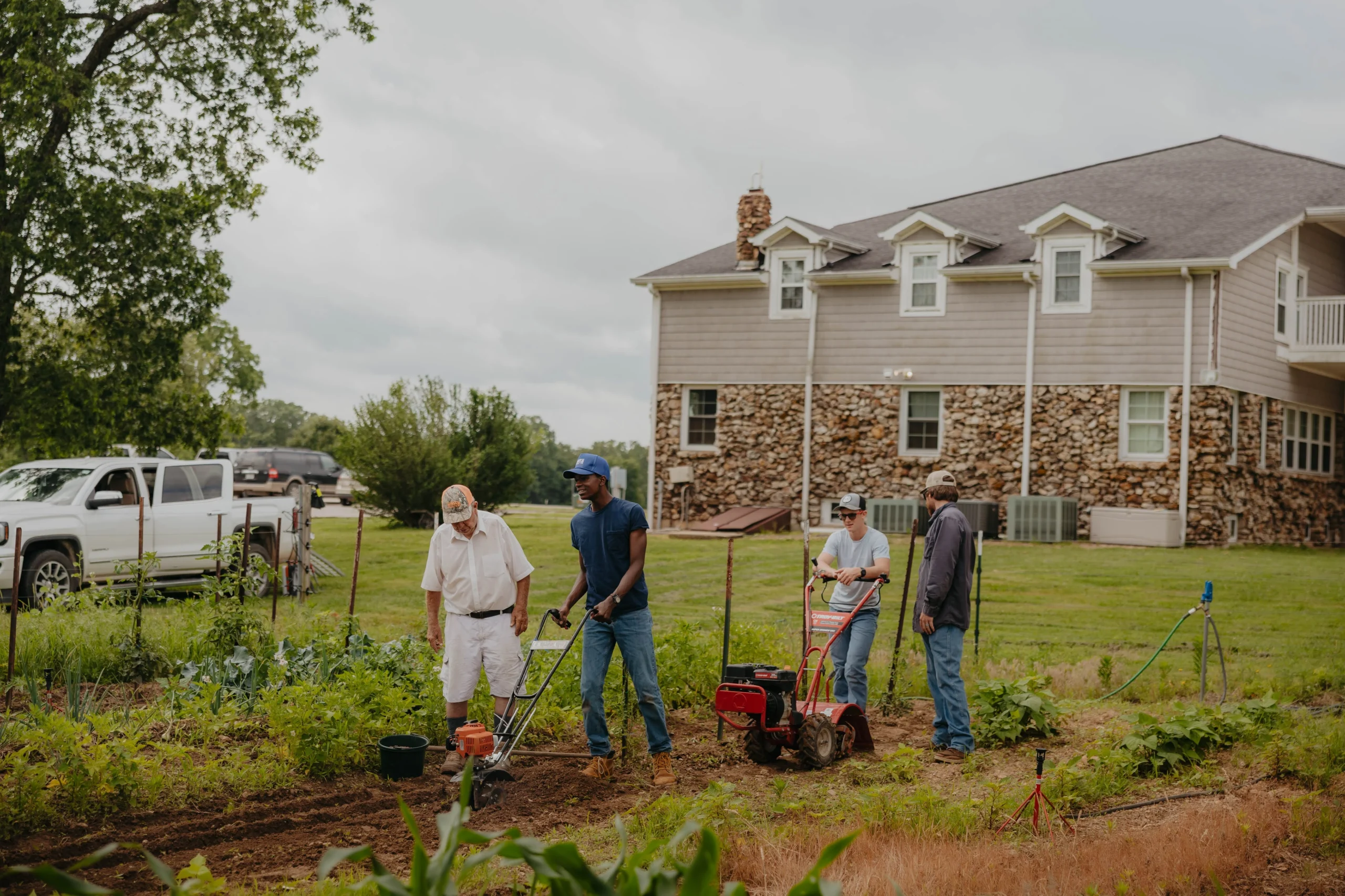
Whetstone is located on a 285-acre ranch in the Ozark Mountain region of Missouri. Boys take part in practical work that may include caring for animals, helping with outdoor projects, gardening, maintenance, food preparation, and community service.
The value of this work is simple. Real responsibilities have real consequences. Animals still need care when someone is tired. A shared project still depends on each person doing his part. Jobs need to be finished even when they are not exciting.
For a boy who has become used to avoiding difficult tasks or quitting when something feels frustrating, ranch life gives him regular opportunities to practice patience, follow-through, and responsibility. These experiences support the larger Whetstone program, where counseling, academics, work, faith, and relationships are meant to reinforce the same expectations throughout the day.
Christian Mentorship and Character
Whetstone’s Christian foundation shapes the way staff work with boys and the way boys are expected to treat other people. The program places emphasis on honesty, self-control, responsibility, kindness, loyalty, and perseverance.
Those qualities are not taught only through lessons or conversations. They show up in ordinary situations, such as admitting a mistake, accepting correction, finishing a difficult job, keeping a commitment, or choosing to treat someone respectfully during conflict. Staff members have regular opportunities to model those values and help boys understand how their choices affect the people around them.
The goal is not to create perfect behavior while a boy is on the ranch. The goal is to help him become more capable of handling freedom, responsibility, and relationships when he returns home.
Why Some Oklahoma Families Consider a Program in Missouri
Oklahoma families have residential and boarding school options closer to home, and an in-state program may be the right choice for some boys. Other parents decide to widen their search because they are looking for a particular combination of counseling, academics, Christian mentorship, ranch life, family involvement, and close adult supervision.
For some boys, being away from the same peer group, school tension, technology habits, and familiar conflicts can also create room for a different routine. Distance itself does not solve those problems, but a new setting can make it easier to focus on the work in front of them without every old influence remaining within easy reach.
Because Whetstone is in Missouri, Oklahoma parents should think practically about travel, visits, and family involvement before making a decision. Parents remain part of the process through communication, family-focused work, scheduled visits, and preparation for their son’s return home. Admissions can explain what that involvement looks like and help a family decide whether the distance is realistic.
Is Whetstone the Right Fit for Your Son?
Whetstone serves boys ages 12 to 16 who may be struggling with issues such as ongoing conflict at home, falling grades, poor motivation, unhealthy friendships, difficulty accepting authority, impulsive choices, or a growing need for more structure and accountability.
These concerns can look very different from one family to another, which is why admission is not automatic. Whetstone reviews each boy’s situation to determine whether the ranch can meet his needs safely and appropriately. Parents should be ready to discuss their son’s school history, behavior, family situation, and the support that has already been tried.
Whetstone is also not a military school or boot camp. Boys have clear expectations, responsibilities, and consequences, but the program is built around relationships, counseling, education, Christian mentorship, and consistent adult involvement rather than military-style discipline.
Safety should be part of any parent’s evaluation of a residential program. Whetstone explains its approach to staff training, supervision, behavior management, and safety so families can understand how those responsibilities are handled before deciding whether to move forward.
What Parents Should Look For Before Choosing a Program
Residential programs can use similar words while offering very different experiences. Before making a decision, parents should look beyond the program name and ask practical questions about daily life.
Important questions include:
- Who is the program designed to serve?
- Who provides counseling, and how often does it occur?
- How will my son continue school and earn credit?
- How much direct contact will he have with staff?
- How are parents involved while he is enrolled?
- How does the program respond when a boy refuses expectations or becomes angry?
- What does the transition back home look like?
Clear answers to those questions can tell a family much more than a label such as boarding school, boys ranch, or residential program.
What Whetstone Families Have Shared
Parents often want to hear from families who have already faced the decision to place a son in residential care.
One Whetstone graduate described arriving angry and disrespectful and later said that he learned greater self-control and “got my life back.”
Another mother shared that her son needed an environment where familiar temptations were no longer constantly available. She valued the opportunity for him to explore new interests, challenge himself, and find a stronger sense of purpose.
Other stories from Whetstone families describe boys being personally known, held accountable, challenged, and supported during their time on the ranch. No family’s experience can guarantee the same outcome for another boy, but these stories can help parents understand what previous families valued about the program.
Talk With the Admissions Team
If your family has reached the point where the support you have already tried is no longer enough, you do not need to decide everything before asking questions. A conversation with the Whetstone admissions team can help you explain what has been happening, understand what the program offers, and determine whether Whetstone is worth considering for your son.