When school problems, conflict at home, or repeated behavioural concerns begin affecting a teenage boy’s daily life, parents may start looking beyond their local school options. Some consider California boarding schools, while others explore residential programmes in another state that offer a different level of structure and support.
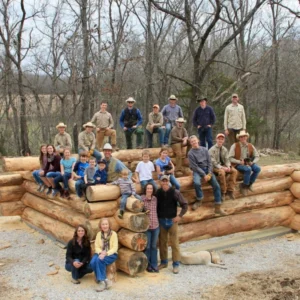
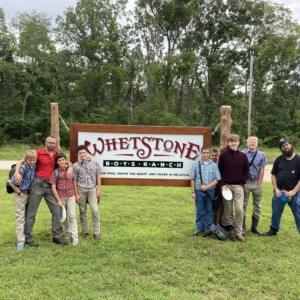
Whetstone Boys Ranch is a Christian residential programme for boys ages 12–16 in Mountain View, Missouri. The programme combines academics, counselling, Christian guidance, ranch responsibilities, and family participation. It may be worth considering for California families who want their son to work on personal challenges in a structured setting away from home.
Before choosing an out-of-state placement, it is important to understand what your son needs, what a programme actually provides, and how the move could affect his education and your family.
When a School Change May Not Be Enough
A change of school can help when a boy needs a different academic environment, better classroom support, or a fresh start after difficulties with peers. However, a school transfer alone may not address problems that continue across several parts of his life.
Parents may notice repeated arguments at home, persistent refusal to follow reasonable boundaries, withdrawal from family activities, declining school performance, or difficulty managing everyday responsibilities. These signs can have different causes, so it is important to understand what is happening rather than assume that one type of programme will suit every teenager.
Start by reviewing the support already tried. Speak with his school, consult an appropriate mental health professional when needed, and identify the areas where he still needs help. Ask whether the main concern is academic, emotional, behavioural, relational, or a combination of these.
Residential placement is a significant decision, not simply a stricter version of school. Families should consider it only when the programme matches their son’s needs and its approach is appropriate for his circumstances.
What Whetstone Offers Boys Ages 12–16
Whetstone brings several parts of a boy’s daily development into one residential environment. Parents should still ask the admissions team how each part of the programme would apply to their son.
Academic instruction
Schoolwork remains part of the daily routine. Whetstone uses the Ignitia curriculum, and its academic programme is intended to support students while they work through their school subjects in the residential setting.
Before enrolment, ask which courses your son would take, how his current records would be reviewed, and what documentation would be available for his next school. You can review Whetstone’s academic programme for details about its curriculum and approach to coursework.
Counselling and personal support
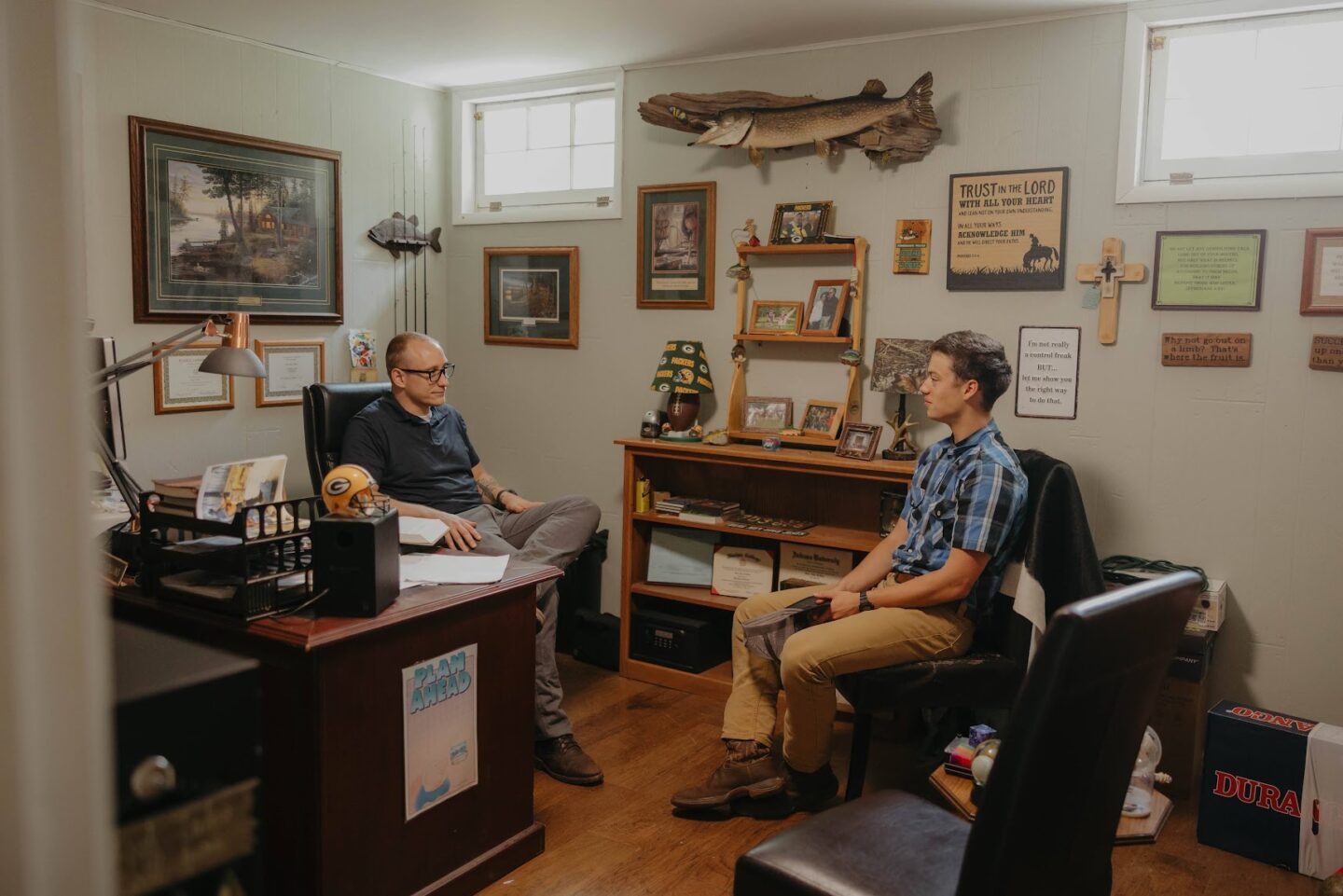
Whetstone describes counselling and therapeutic support as part of its programme. The specific services, assessment process, and suitability for an individual student should be discussed directly with the team.
Share relevant information about your son’s needs, previous support, and any recommendations from professionals involved in his care. Ask who would provide services, how progress would be reviewed, and what happens if his needs fall outside the programme’s scope.
Christian guidance and responsibility
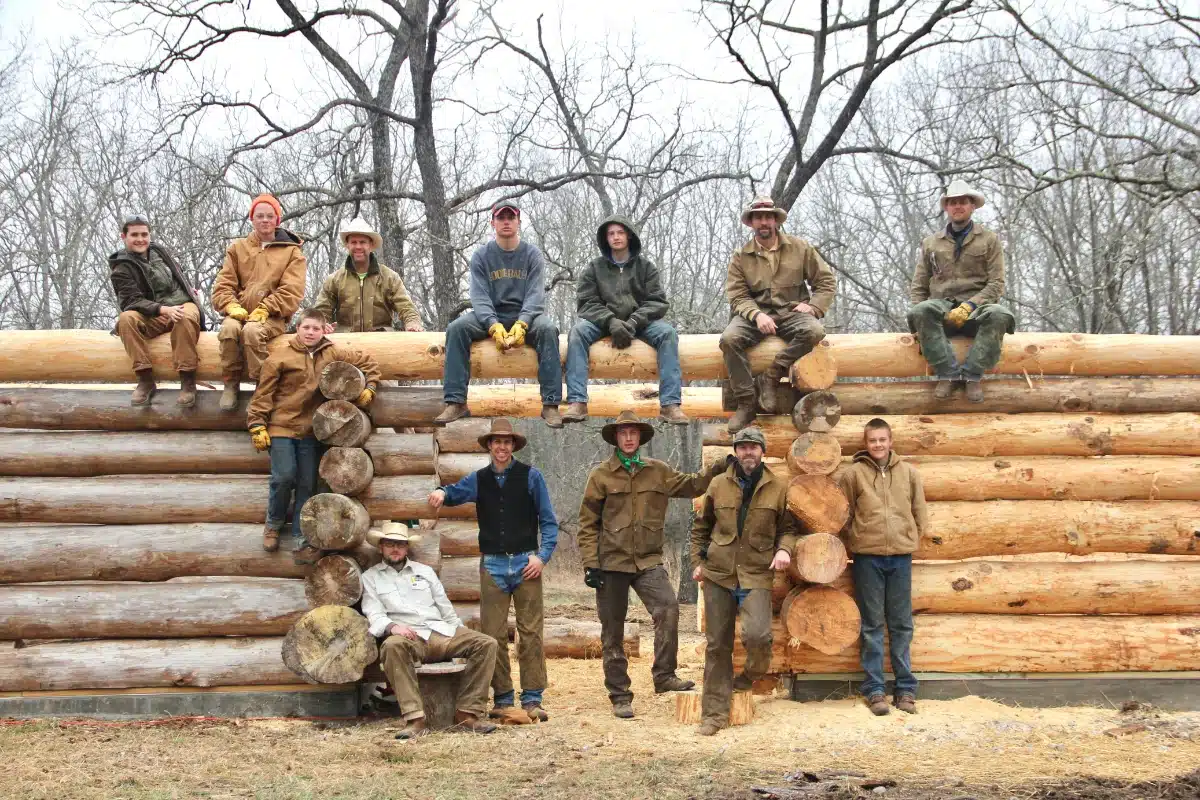
Christian teaching is part of daily life at Whetstone. Boys also take part in ranch responsibilities, which give them opportunities to practise following routines, completing assigned tasks, and contributing to a shared environment.
For families considering Christian boarding schools for troubled teens, it is worth asking how faith is incorporated into ordinary decisions and relationships not just scheduled activities. The programme’s approach should fit your family’s expectations and your son’s needs.
What Does Daily Life Look Like?
A residential programme affects more than where a boy attends school. It changes how he spends his day, manages responsibilities, interacts with adults, and participates in family life.
At Whetstone, the daily structure includes academic work, scheduled support, ranch responsibilities, physical activity, and Christian practices. Ask the admissions team to walk you through a typical weekday and weekend so you can understand how these activities fit together.
Useful questions include:
- Who supervises students during lessons, free time, and ranch tasks?
- How are missed assignments or difficulties following expectations handled?
- What happens when a student becomes frustrated or refuses to participate?
- How are parents informed about concerns and progress?
- What routines help students prepare for returning to school and home life?
Specific answers matter more than broad promises about structure or personal growth. You need to understand how staff respond to everyday challenges and whether that approach is suitable for your son.
How Will Your Son Continue His Education?
Moving from California to a residential programme in Missouri raises practical questions about coursework, school records, and the next stage of education. Parents should address these before making an enrolment decision.
Request your son’s current transcript, course list, and any available information about credits or graduation requirements. Ask Whetstone how his academic work would be organised and what records the programme can provide when he leaves.
Do not assume that work completed at a residential programme will automatically transfer to a California public or private school. The receiving school or district determines how it evaluates coursework and applies credits toward its requirements. Contact that school before enrolment to discuss the documents it will need and whether the proposed academic arrangement meets its expectations.
It is also sensible to discuss the plan for your son’s education after the programme. Knowing who will review his records, how course progress will be documented, and what happens when he returns can help your family avoid unnecessary surprises.
How California Families Can Stay Involved
Distance needs to be part of the decision from the beginning. A placement in Missouri means California parents must plan for travel, time away from work, and the practical arrangements involved in visiting their son.
Ask Whetstone for its current family-visit schedule, attendance expectations, communication arrangements, and any travel costs that families should anticipate. Confirm these details directly rather than relying on an old webpage or assuming that every family follows the same schedule.
It is equally important to understand what family participation involves. Ask how parents take part in counselling or programme discussions, how concerns are raised between visits, and how the team prepares families for their son’s return home.
Before enrolling, agree on a realistic plan for staying involved. Consider who can travel, how often your family can visit, and how parents and the programme will coordinate decisions. A placement should not leave you uncertain about your role in your son’s care.
Comparing California Boarding Schools With Out-of-State Options
Searching for California boarding schools for troubled youth does not mean that a programme located in California will automatically be the best fit. Equally, choosing an out-of-state school does not make it more suitable simply because it is farther from home.
Compare each option against your son’s needs, your family’s circumstances, and the programme’s actual practices. The following questions can help you assess the differences.
- Programme fit: Does the school work with boys in your son’s age group and address the concerns you are seeking help with?
- Staff and supervision: Who is responsible for students throughout the day, and how are concerns or emergencies handled?
- Counselling: Which services are available, who provides them, and how does the programme decide whether a student is suitable?
- Education: How are lessons organised, progress recorded, and school records handled when a student leaves?
- Family involvement: What visits, communication, and parent participation are expected?
- Cost: What does tuition cover, and which additional expenses should you budget for?
- Transition home: How does the programme prepare students and parents for the move back to family life and school?
These questions also help when comparing therapeutic boarding schools or other residential options. Programme names alone do not tell you whether a school can meet your son’s individual needs. Ask for clear explanations, written policies where available, and direct answers about limitations as well as services.
Whetstone is based in Missouri, so California families should weigh the programme’s approach against the travel, education, and family commitments involved in an out-of-state placement.
Is Whetstone a Suitable Option for Your Son?
Whetstone serves boys ages 12–16 in a Christian residential setting. Whether it is appropriate for your son depends on his circumstances, the support he needs, and whether the programme can safely and suitably meet those needs.
A useful first step is to explain what has been happening, what your family has already tried, and what you hope will change. Be open about any professional recommendations, educational concerns, or practical limits that could affect participation.
The admissions team can discuss programme expectations, tuition, the application process, and whether Whetstone may be an appropriate option. Review the admissions process before contacting the team so you know what information may be needed.
If you are comparing schools for troubled teens from California, use that conversation to ask specific questions rather than feeling pressured to make a quick decision. You should leave with a clearer understanding of the programme, the commitments involved, and the next steps for your family.